
Experts Talk 2026
February 7, 2026
Blood-Based Multi-Omics Epidemiological Research and the Challenge of Elucidating Disease Mechanisms
Speaker: Dr. Masahiro Nakatochi
Associate Professor, Department of Integrated Health Sciences, Division of Social and Health Information, Graduate School of Medicine, Nagoya University
Dr. Nakatochi is conducting a large-scale genomic study using health checkup data from Kitanagoya. Astonishing facts about the human body are being uncovered. He will speak about the new era of the epigenome, miRNA, and the proteome.
Lecturer Profile
After receiving his Ph.D. in Engineering from the Graduate School of Engineering, Nagoya University in March 2013, Dr. Nakatochi was appointed Assistant Professor in the Department of Data Science, Division of Advanced Medical Development, Nagoya University Hospital. As a specialist in bioinformatics and biostatistics, he engaged in supporting medical research. In April 2019, he was appointed Associate Professor in the Department of Integrated Health Sciences, Graduate School of Medicine, Nagoya University. He currently leads the Laboratory of Social and Health Information and conducts research on the analysis of big data in medicine and public health.
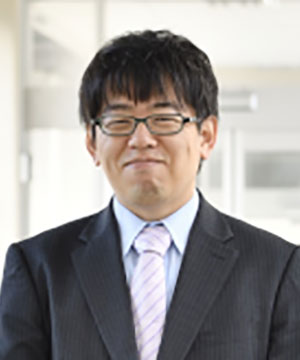
Lecturer Profile
After receiving his Ph.D. in Engineering from the Graduate School of Engineering, Nagoya University in March 2013, Dr. Nakatochi was appointed Assistant Professor in the Department of Data Science, Division of Advanced Medical Development, Nagoya University Hospital. As a specialist in bioinformatics and biostatistics, he engaged in supporting medical research. In April 2019, he was appointed Associate Professor in the Department of Integrated Health Sciences, Graduate School of Medicine, Nagoya University. He currently leads the Laboratory of Social and Health Information and conducts research on the analysis of big data in medicine and public health.
Lecture Overview
Research aimed at multifactorial diseases, such as lifestyle-related disorders, has increasingly focused on the acquisition of diverse omics data, including genomics, epigenomics, transcriptomics, proteomics, and metabolomics. In epidemiological studies in particular, omics data are most commonly obtained from blood samples. This is because blood circulates throughout the body and can be collected repeatedly in a minimally invasive manner, making it a promising source for identifying biomarkers that reflect systemic abnormalities. Consequently, blood-based omics research has often been conducted primarily for the purpose of discovering biomarkers for the early detection of disease.
At the same time, efforts have been made to elucidate the pathophysiology of multifactorial diseases through blood-based omics epidemiological studies. However, the term “blood samples” encompasses a wide range of specimen types, including serum or plasma, exosomes, and leukocytes, and the choice of specimen fundamentally influences both the type of omics data that can be obtained and the biological insights that emerge from the analysis. Strategic consideration of these factors is therefore essential for the successful design and interpretation of omics research.
The speaker has participated in a variety of cohort and registry studies and has contributed to large-scale genomic analyses as well as blood-based multi-omics analyses. In this lecture, the speaker will present representative case studies that illustrate the challenges of elucidating disease mechanisms using multi-omics data derived from blood samples.
Event Details
Date & Time
Saturday, February 7, 2026
17:00 – 18:30 (Japan time)
Lecture 17:00 – 18:00
Q&A Session 18:00 – 18:30
Venue
Grand Green Osaka – JAMBASE
(Entrance: JAMBASE 4F)
6-38 Ofukacho, Kita-ku, Osaka, Japan
> Google MAP
Title
Blood-Based Multi-Omics Epidemiological Research and the Challenge of Elucidating Disease Mechanisms
Speaker
Dr. Masahiro Nakatochi
Associate Professor, Department of Integrated Health Sciences, Division of Social and Health Information, Graduate School of Medicine, Nagoya University
Format
Hybrid (Zoom + in-person)
Exclusive to Liamics Research Association members
If you are interested in joining the Liamics Research Association, please see the page below.
JOIN US