
This event has ended
Experts Talk 2026
January 17, 2026
Axonal Repair as a Strategy for Dementia Recovery
Speaker: Dr. Chihiro Tohda
Professor, Division of Pathophysiological and Therapeutic Science, Department of Research and Development, Institute of Natural Medicine, University of Toyama
Dr. Tohda has been conducting basic research on dementia for 30 years. Sixteen years ago, she discovered that diosgenin, a compound found in Chinese yam, can improve dementia. She further elucidated that the protein SPARC induces the regrowth of neuronal axons, which underlies this effect.
Lecturer Profile
Dr. Tohda graduated from the Department of Pharmaceutical Chemistry, Faculty of Pharmaceutical Sciences, Hokkaido University in March 1989. From April 1995, she joined the Clinical Application Division at the Institute of Natural Medicine, Toyama Medical and Pharmaceutical University. In April 2017, she became Professor in the Division of Pathophysiological and Therapeutic Science, Institute of Natural Medicine, University of Toyama. Since April 2020, she has been Professor in the Division of Research and Development, Department of Pathophysiological and Therapeutic Science, Institute of Natural Medicine, University of Toyama. Her research focuses on elucidating the molecular mechanisms that promote neural network reconstruction in the central nervous system, as well as basic research on traditional Japanese and Chinese medicines aimed at fundamental treatments for Alzheimer’s disease, spinal cord injury, and sarcopenia. She also studies the molecular basis by which skeletal muscles influence central nervous system function. She conducts clinical research to translate basic research into the development of plant-based pharmaceuticals and to expand the efficacy of traditional herbal formulations, while contributing to regulatory science.
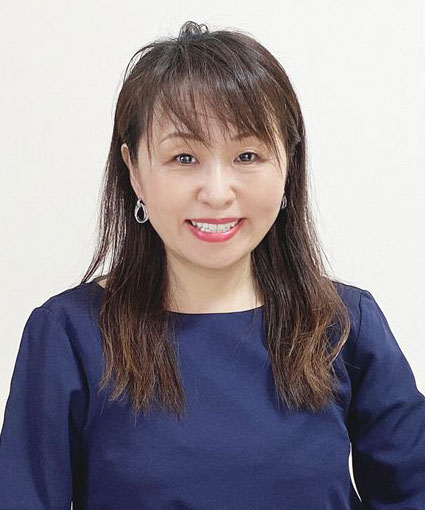
Lecturer Profile
Dr. Tohda graduated from the Department of Pharmaceutical Chemistry, Faculty of Pharmaceutical Sciences, Hokkaido University in March 1989. From April 1995, she joined the Clinical Application Division at the Institute of Natural Medicine, Toyama Medical and Pharmaceutical University. In April 2017, she became Professor in the Division of Pathophysiological and Therapeutic Science, Institute of Natural Medicine, University of Toyama. Since April 2020, she has been Professor in the Division of Research and Development, Department of Pathophysiological and Therapeutic Science, Institute of Natural Medicine, University of Toyama. Her research focuses on elucidating the molecular mechanisms that promote neural network reconstruction in the central nervous system, as well as basic research on traditional Japanese and Chinese medicines aimed at fundamental treatments for Alzheimer’s disease, spinal cord injury, and sarcopenia. She also studies the molecular basis by which skeletal muscles influence central nervous system function. She conducts clinical research to translate basic research into the development of plant-based pharmaceuticals and to expand the efficacy of traditional herbal formulations, while contributing to regulatory science.
Lecture Overview
In Alzheimer’s disease, the accumulation of amyloid-β in the brain begins approximately 20 years before clinical diagnosis, during which progressive disruption of neuronal circuits occurs. Based on the concept that preventing and repairing the breakdown of neural networks is critically important for the maintenance and recovery of cognitive function, we have pursued research focused on neural circuit repair.
Diosgenin is a bioactive compound found in the rhizomes of Dioscorea species, including Dioscorea japonica and D. batatas, which are traditionally used as herbal medicines. We have demonstrated that diosgenin reverses amyloid-β–induced atrophy of axons and dendrites in cultured neurons. Furthermore, oral administration of diosgenin restores memory function in an Alzheimer’s disease model mouse even after the onset of memory impairment.
In addition, we have, for the first time, elucidated the phenomenon by which previously atrophied axons re-extend in the correct direction within the brain under the influence of diosgenin, as well as the underlying molecular mechanisms. Leveraging regulatory frameworks unique to natural products, we are also conducting clinical studies and advancing efforts toward social implementation.
In this lecture, we will discuss the importance of axonal repair as a fundamental strategy for the recovery of cognitive function in dementia.
Event Details
Date & Time
Saturday, January 17, 2026
17:00 – 18:30 (Japan time)
Lecture 17:00 – 18:00
Q&A Session 18:00 – 18:30
Venue
Room 973, 9th Floor, Grand Green Osaka Park Tower (South Building)
5-54 Ofukacho, Kita-ku, Osaka-shi, Osaka, Japan
> Google MAP
Title
Axonal Repair as a Strategy for Dementia Recovery
Speaker
Dr. Chihiro Tohda
Professor, Division of Pathophysiological and Therapeutic Science, Department of Research and Development, Institute of Natural Medicine, University of Toyama
Format
Hybrid (Zoom + in-person)
Exclusive to Liamics Research Association members
If you are interested in joining the Liamics Research Association, please see the page below.
JOIN US