
This event has ended
Experts Talk 2026
January 31, 2026
The Role of Adult Hippocampal Neurogenesis in the Pathophysiology of Psychiatric Disorders
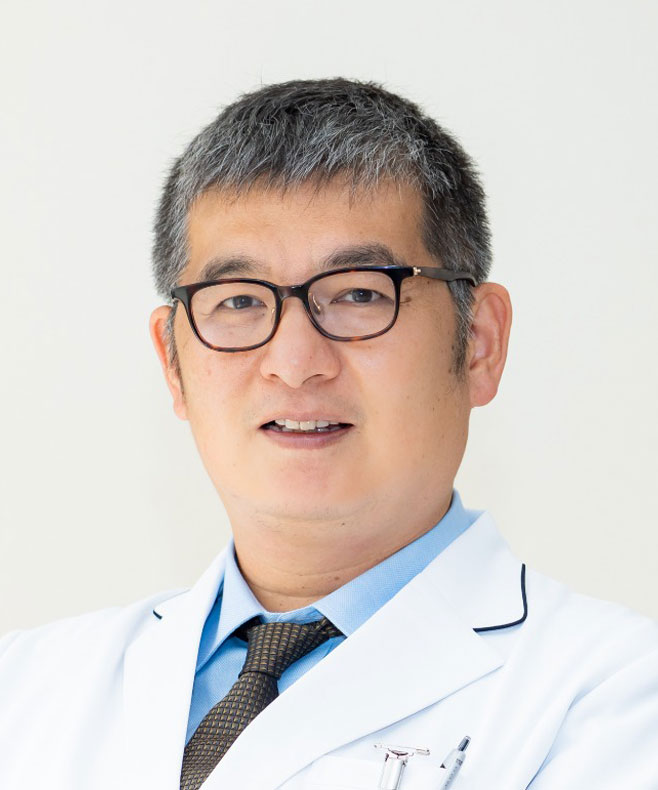
Speaker: Dr. Shuken Boku
Professor, Department of Psychiatry, Graduate School of Medical and Dental Sciences, Niigata University
In depression, hippocampal atrophy and impaired neurogenesis are well-documented phenomena. In this lecture, Dr. Park will explain, from a basic medical perspective, the underlying biological mechanisms and how antidepressant therapies may promote hippocampal neurogenesis.
Lecturer Profile
Born in Sakai City, Osaka, Japan/Graduated from Nada Senior High School, March 1991/Graduated from the Faculty of Medicine, Kyoto University, March 1998/Doctoral student, Graduate School of Medicine, Kyoto University (Department of Neuro- and Cellular Pharmacology), April 1998–March 2002/Visiting Researcher, Max Planck Institute for Molecular Physiology, Dortmund, Germany, July 1999–March 2001/Research Fellow (DC2), Japan Society for the Promotion of Science, April 2001–March 2002/Resident Physician, Department of Psychiatry and Neurology, Hokkaido University Hospital, April 2002–March 2003/Staff Psychiatrist, Department of Psychiatry, Obihiro National Hospital, April 2003–March 2006/Physician to Assistant Professor, Department of Psychiatry and Neurology, Hokkaido University Hospital, April 2006–June 2012/Director of Health Services, Sapporo Prison, April 2008–September 2009/Postdoctoral Fellow, Albert Einstein College of Medicine, New York, USA, July 2012–August 2014/Lecturer, Department of Psychiatry, Graduate School of Medicine, Kobe University, September 2014–October 2019/Associate Professor, Department of Neuropsychiatry, Faculty of Life Sciences, Kumamoto University, November 2019–March 2025/Professor, Department of Psychiatry, Graduate School of Medical and Dental Sciences, Niigata University, April 2025–Present/Visiting Professor, Kumamoto University, May 2025–Present
Qualifications:
PhD (Medicine)/Designated Psychiatrist for Mental Health (Japan)/Certified Psychiatrist for Mental Health Assessment (Japan)/Board-Certified Psychiatrist and Designated Psychiatrist/Board-Certified Psychiatrist in General Liaison Psychiatry and Certified Supervisor/Board-Certified Specialist in Psychiatric Pharmacotherapy/Certified Occupational Physician
Professional Society Appointments:
Board Member, Japanese Society of Biological Psychiatry/Councilor, Japanese Society of Neuropsychopharmacology; Japanese Society of Mood Disorders; Japanese Society of Anxiety and Related Disorders/Member, ECT Committee, Japanese Association of General Hospital Psychiatry/Organizer, Clinical TMS Research Group/Associate Member, American College of Neuropsychopharmacology (ACNP)
Awards:
Academic Award, Japanese Society of Biological Psychiatry, 2009
Areas of Expertise:Mood disorders/Addiction/Neuromodulation/Forensic psychiatry/Basic research on psychiatric disorders focusing on adult neurogenesis and astrocyte biology
Lecturer Profile
Born in Sakai City, Osaka, Japan/Graduated from Nada Senior High School, March 1991/Graduated from the Faculty of Medicine, Kyoto University, March 1998/Doctoral student, Graduate School of Medicine, Kyoto University (Department of Neuro- and Cellular Pharmacology), April 1998–March 2002/Visiting Researcher, Max Planck Institute for Molecular Physiology, Dortmund, Germany, July 1999–March 2001/Research Fellow (DC2), Japan Society for the Promotion of Science, April 2001–March 2002/Resident Physician, Department of Psychiatry and Neurology, Hokkaido University Hospital, April 2002–March 2003/Staff Psychiatrist, Department of Psychiatry, Obihiro National Hospital, April 2003–March 2006/Physician to Assistant Professor, Department of Psychiatry and Neurology, Hokkaido University Hospital, April 2006–June 2012/Director of Health Services, Sapporo Prison, April 2008–September 2009/Postdoctoral Fellow, Albert Einstein College of Medicine, New York, USA, July 2012–August 2014/Lecturer, Department of Psychiatry, Graduate School of Medicine, Kobe University, September 2014–October 2019/Associate Professor, Department of Neuropsychiatry, Faculty of Life Sciences, Kumamoto University, November 2019–March 2025/Professor, Department of Psychiatry, Graduate School of Medical and Dental Sciences, Niigata University, April 2025–Present/Visiting Professor, Kumamoto University, May 2025–Present
Qualifications:
PhD (Medicine)/Designated Psychiatrist for Mental Health (Japan)/Certified Psychiatrist for Mental Health Assessment (Japan)/Board-Certified Psychiatrist and Designated Psychiatrist/Board-Certified Psychiatrist in General Liaison Psychiatry and Certified Supervisor/Board-Certified Specialist in Psychiatric Pharmacotherapy/Certified Occupational Physician
Professional Society Appointments:
Board Member, Japanese Society of Biological Psychiatry/Councilor, Japanese Society of Neuropsychopharmacology; Japanese Society of Mood Disorders; Japanese Society of Anxiety and Related Disorders/Member, ECT Committee, Japanese Association of General Hospital Psychiatry/Organizer, Clinical TMS Research Group/Associate Member, American College of Neuropsychopharmacology (ACNP)
Awards:
Academic Award, Japanese Society of Biological Psychiatry, 2009
Areas of Expertise:Mood disorders/Addiction/Neuromodulation/Forensic psychiatry/Basic research on psychiatric disorders focusing on adult neurogenesis and astrocyte biology
Lecture Overview
Despite remarkable advances in biological psychiatry in recent years, clinical practice in psychiatry continues to face significant challenges. Misdiagnosis remains common due to the lack of clinically useful biomarkers, and treatment options are still limited to drugs based on the classical monoamine hypothesis. Therefore, there is an urgent need to develop new diagnostic and therapeutic approaches for psychiatric disorders based on pathophysiological hypotheses that go beyond the monoamine hypothesis.
Among hypotheses that transcend the monoamine framework, the most prominent is the neurogenesis hypothesis. This hypothesis was established between the late 1980s and early 2000s, when it was demonstrated that adult neurogenesis occurs in the hippocampal dentate gyrus, that glucocorticoids mediating stress suppress adult hippocampal neurogenesis, and that antidepressants, mood stabilizers, and electrical stimulation can enhance it. Suppression of hippocampal neurogenesis reduces the efficacy of antidepressants, which has led many researchers to accept the neurogenesis hypothesis. Since then, an extensive body of basic research has accumulated.
However, a fundamental problem remains: neurogenesis cannot be directly detected in living humans, so it is still unknown whether hippocampal neurogenesis is actually reduced in patients with psychiatric disorders. Furthermore, no novel diagnostic methods or treatments based on this hypothesis have yet been developed. Thus, although the neurogenesis hypothesis is strongly supported by basic research, it still faces multiple unresolved challenges.
In this seminar, I will first provide an overview of adult hippocampal neurogenesis, followed by a review of key studies supporting the neurogenesis hypothesis and the mechanisms of action of therapeutic drugs derived from it. I will then highlight the limitations of the neurogenesis hypothesis and discuss potential strategies to address these challenges.
Event Details
Date & Time
Saturday, January 31, 2026
17:00 – 18:30 (Japan time)
Lecture 17:00 – 18:00
Q&A Session 18:00 – 18:30
Venue
Grand Green Osaka – JAMBASE
(Entrance: JAMBASE 4F)
6-38 Ofukacho, Kita-ku, Osaka, Japan
> Google MAP
Title
The Role of Adult Hippocampal Neurogenesis in the Pathophysiology of Psychiatric Disorders
Speaker
Dr. Shuken Boku
Professor, Department of Psychiatry, Graduate School of Medical and Dental Sciences, Niigata University
Format
Hybrid (Zoom + in-person)
Exclusive to Liamics Research Association members
If you are interested in joining the Liamics Research Association, please see the page below.
JOIN US